Elegant Floral Leaf Embroidery Design
First Impression: Timeless, Refined, and Booth-Ready
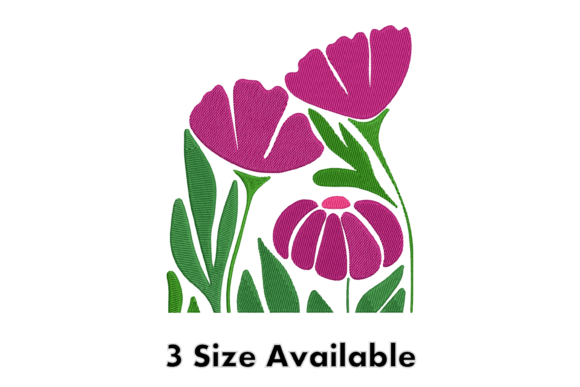
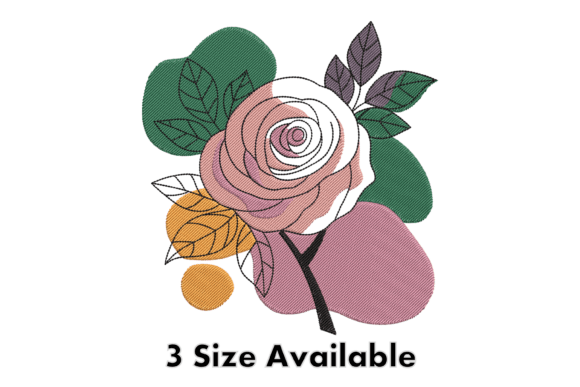
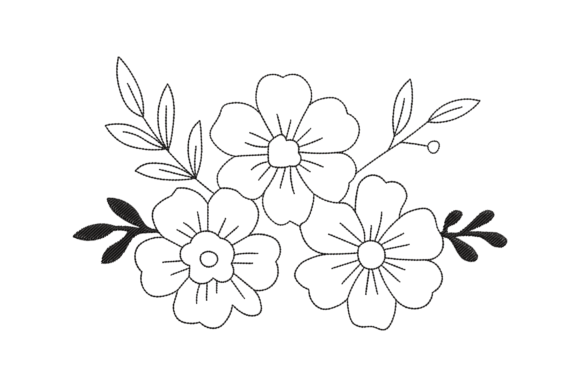
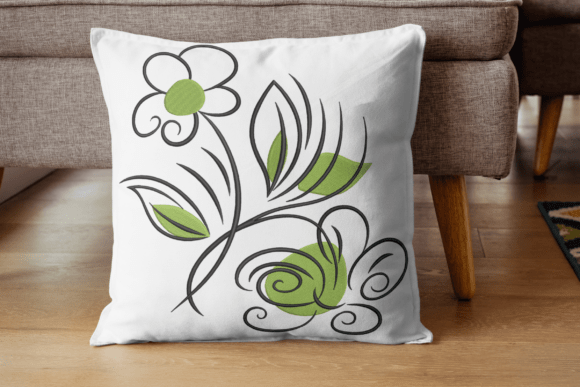
As an embroidery designer who’s prepped over 200 craft fair booths—and shipped thousands of handmade products—I opened Elegant Floral Leaf Embroidery Design expecting softness, not fuss. And it delivered: this isn’t a busy botanical tangle or a cartoonish bloom. It’s a single-flower composition with graceful leafwork that leans into quiet sophistication—think elevated farmhouse meets modern heirloom. Customers at a bustling market don’t pause for clutter; they reach for what *feels* intentional. This design reads as premium at arm’s length: clean lines, balanced negative space, and organic flow—not too dainty, not too bold. That’s gold for small shop product differentiation.
Where It Shines: Craft Fair Product Pairings That Sell
In my booth setup—tote bags front-and-center, aprons draped over racks, tea towels folded beside embroidered pouches—Elegant Floral Leaf Embroidery Design performs strongest where elegance meets utility:
- Tote bag design: Centered on the lower third of a natural canvas tote, it adds artisanal weight without overwhelming. Buyers associate this placement with “thoughtful gifting.”
- Apron embroidery: Positioned just above the pocket edge on a linen-cotton blend, it feels custom—not mass-produced. The leafy movement echoes fabric drape.
- Tea towel embroidery: Small-scale (3–4” wide) on the corner of a cream or oat-colored towel? Instant boutique appeal. Works beautifully with textured weaves—unlike fussy florals that vanish in terry loops.
- Embroidered patch: Clean edges and moderate stitch density mean it presses flat and sews cleanly onto denim jackets or market bags. No puckering, no thread nests.
- Pillow cover & pouch accents: As a subtle repeat motif along a seam or centered on a drawstring pouch, it elevates perceived value—especially when paired with tonal thread colors.
It’s less effective on curved cap surfaces or dense knit caps unless resized thoughtfully—and avoid cramming it onto tiny keychains. Let it breathe.
Production Realities: What Your Machine—and Your Time—Will Thank You For
This machine embroidery design is refreshingly straightforward to produce at scale. As a digital embroidery file, it loads cleanly across major formats (check your software compatibility), and its moderate stitch count means faster runs and cooler-running needles—critical when embroidering 40+ tote bags before Saturday morning.
It works brilliantly as both a small accent (1.8–2.5”) and a focal design (4.5–5.5”), giving you flexibility across product tiers. On Etsy listings, it photographs crisply—even on mobile—thanks to its open structure and defined petal/leaf separation. No muddy edges. No lost details in shadow.
That said: test the design on scrap fabric first. Dense fill areas in the flower center can shift on thick fabrics like duck canvas or heavily textured tea towels. Tiny leaf tips may blur if shrunk below 1.5”. And dark fabric demands high-contrast thread colors—ivory on charcoal, navy on ecru—to preserve clarity. Always confirm hoop size requirements before batching; some versions may need a 5x7” hoop minimum.
Design Integrity Meets Buyer Psychology
At a craft fair, attention spans are measured in seconds. Elegant Floral Leaf Embroidery Design wins because it communicates quality *before* the buyer touches the item. Its symmetry feels intentional. Its spacing says “hand-finished,” not rushed. That perception directly lifts price tolerance—customers happily pay $38 for an embroidered linen apron when the motif signals care, not convenience.
For Etsy sellers and boutique makers, it strengthens brand consistency: use it across tea towels, pouches, and pillow covers in the same thread palette, and shoppers begin recognizing your visual language. In booth displays, it anchors neutral palettes—no competing patterns needed. One well-executed mockup on a folded linen towel, lit naturally, often outperforms three flashy banners.
Critical Notes Every Embroidery Designer Should Check
Before cutting your first production run, verify these practical points:
- Stabilizer match: Use medium-weight cutaway for stable fabrics (linen, cotton duck); tear-away works for lighter tea towels—but test first. Skip fusible-only stabilizers; leaf veins need support.
- Fabric texture test: Run a sample on your exact tea towel weave or apron fabric. Some looped textures swallow fine stems. Adjust underlay stitches if needed.
- Thread contrast check: Print a swatch photo with your intended thread colors on your target fabric. What looks balanced on screen may disappear IRL.
- Spacing & alignment: Measure seam allowances and hem folds before hooping. A centered design misaligned by 1/8” reads as “rushed” to trained eyes.
- Commercial licensing: Confirm the digital embroidery file includes commercial rights. Many “for personal use only” files aren’t cleared for resale of finished products—don’t risk a takedown mid-fair season.
Final Verdict: A Quiet Standout for Discerning Makers
Elegant Floral Leaf Embroidery Design isn’t loud—but it doesn’t need to be. In a sea of glitter, novelty fonts, and overworked motifs, its restraint becomes its strength. It supports your handmade product story instead of competing with it. It scales gracefully across categories—from embroidered patch to pillow cover to apron embroidery—without losing identity. And for the maker juggling Etsy listings, craft fair prep, and batch production? It’s predictable, photogenic, and deeply sellable.
If you’re curating design assets for spring markets or building a cohesive small shop product line, this Single Flowers embroidery file earns its place—not as filler, but as a signature touch. Just remember: let the fabric speak, choose thread with intention, and always, always make one real mockup before the first customer walks up.