Stylized Autumnal Flower Embroidery Design
A Designer’s First Look: Warm, Quiet, and Purposefully Simple
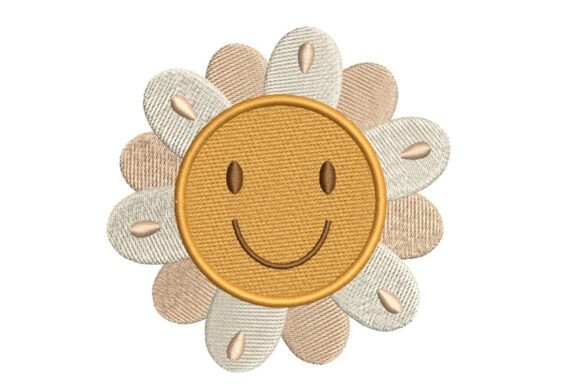
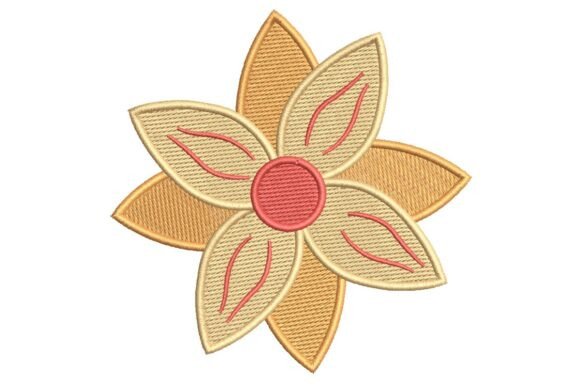
When I opened the Stylized Autumnal Flower Embroidery Design, my first thought wasn’t “pretty”—it was “settled.” This isn’t a fussy floral. It’s a quiet, grounded shape: two layers of petals, four golden-orange base petals with texture built in, and a subtle upper layer that reads as both delicate and deliberate. There’s no clutter—no leaves crowding the frame, no vines snaking out, no unnecessary outlines. That restraint is its strength. As a designer who regularly sources embroidery files for boutique apparel and handmade gifts, I immediately pictured it stitched onto a heavyweight linen tea towel—centered, unframed, letting the fabric breathe around it. It feels like autumn without shouting about it: think harvest dinners, cozy nurseries, small-batch apothecary branding—not pumpkin spice latte graphics.
Where It Shines in Real Projects
I tested the Stylized Autumnal Flower Embroidery Design on three real items: a midweight cotton tote bag, a brushed cotton baby onesie, and a twill baseball cap. On the tote, it held beautifully—clean satin stitch definition in the petal edges, balanced fill stitch density that didn’t pucker or stiffen the fabric. Customers browsing my shop responded to how “soft” it looked—even though it’s machine-stitched, the layered petal structure and intentional negative space gave it a hand-drawn warmth. On the onesie, I used lightweight tear-away stabilizer and reduced top tension slightly; the design retained clarity without feeling heavy or scratchy against delicate skin. That’s critical for baby embroidery—it’s not just about safety, but perception. A parent sees this flower and thinks “thoughtful,” not “mass-produced.”
The cap was the most revealing test. Curved surfaces expose weak anchor points and dense corners—and here, the design performed well. No skipped stitches, no thread nesting at the inner curve of the base petals. Because it avoids tight interior angles and excessive detail, it transitions smoothly from flat to curved. That makes it unusually versatile for commercial embroidery shops handling mixed orders—caps, sweatshirts, pillow covers—all in one batch.
Where to Pause—and Why
This isn’t a one-size-fits-all embroidery file. Its charm lies in its simplicity, but that also means it needs thoughtful placement. Avoid using it on ultra-thin fabrics (like voile or rayon challis) without additional cut-away stabilizer—the textured golden-orange base layer relies on slight dimension to read clearly. On dark fabric, test your thread colors carefully: a matte gold or burnt sienna works better than metallics, which can flatten the texture. And while it scales down decently, don’t push it below 3.5 inches wide for apparel use—smaller, and the two-petal layering starts to blur, losing its defining contrast.
It’s also not ideal for high-friction areas like the heel of a slipper or the cuff of a frequently washed kitchen towel—unless you reinforce with wash-away topping and double-layer stabilizer. The satin stitch edges are clean, but they’re not reinforced with outline stitches, so repeated abrasion will eventually soften them. For holiday embroidery or personalized gifts meant for display (think framed nursery art or embroidered quilt blocks), it’s perfect. For daily-use workwear? Pair it with a simple running stitch border—or place it where wear won’t hit the petal edges directly.
What It Adds to Your Craft Business—Beyond the Stitch
As an Etsy seller and small shop owner, I pay attention to what makes a handmade product feel *intentional*. The Stylized Autumnal Flower Embroidery Design does that quietly. It doesn’t scream “handmade” with frills—it signals care through balance, proportion, and mood alignment. When customers see it on a sweatshirt alongside a neutral palette and natural fiber, they subconsciously trust the brand more. It supports storytelling: rustic kitchen brand? Yes. Gentle baby line? Absolutely. Thoughtful wedding favor (stitched on muslin sachets)? A natural fit.
For digital product sellers, this design works exceptionally well in printable mockups—its clean silhouette renders crisply even in grayscale previews. That matters when buyers are scanning your Etsy listings on mobile. And because it belongs to the Single Flowers category, it slots neatly into themed bundles (e.g., “Seasonal Singles” or “Rustic Botanicals”) without competing visually with busier designs.
Practical Notes Every Designer Should Check Before Stitching
- Test on scrap fabric first—especially if using textured or stretchy fabric like terry cloth or ribbed knit.
- Review stitch density before hooping. If the file includes dense fill areas near petal tips, consider reducing density by 5–8% for breathable fabrics.
- Confirm hoop size compatibility. While not specified, designs with this layout typically fit comfortably in a 4x4 hoop—but verify before digitizing for production.
- Inspect small details at 200% zoom in your embroidery software: look for stray jump stitches or underlay gaps near the petal joins.
- Try black-and-white mockups to assess contrast and legibility—this design relies on tonal variation, not bold outlines.
- Use proper stabilizer: medium-weight cut-away for knits, lightweight tear-away for stable wovens, and fusible + tear-away combo for caps.
- Check licensing terms before selling finished items or bundling the embroidery file commercially—some versions allow small-batch use only.
Final Thought: A Design That Earns Its Place
The Stylized Autumnal Flower Embroidery Design doesn’t try to be everything. It’s not dramatic. It’s not trendy. But it’s reliable—like a well-worn apron or a favorite ceramic mug. It adds warmth without weight, personality without noise. Whether you’re stitching custom apparel for a local café, building a cohesive line of nursery decor, or curating digital design assets for fellow makers, this embroidery file earns its spot by working *with* your process—not against it. It reminds me why I still choose single-flower motifs for client projects: sometimes, one thoughtful shape says more than ten busy ones ever could.